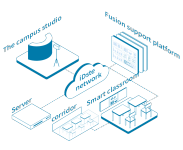
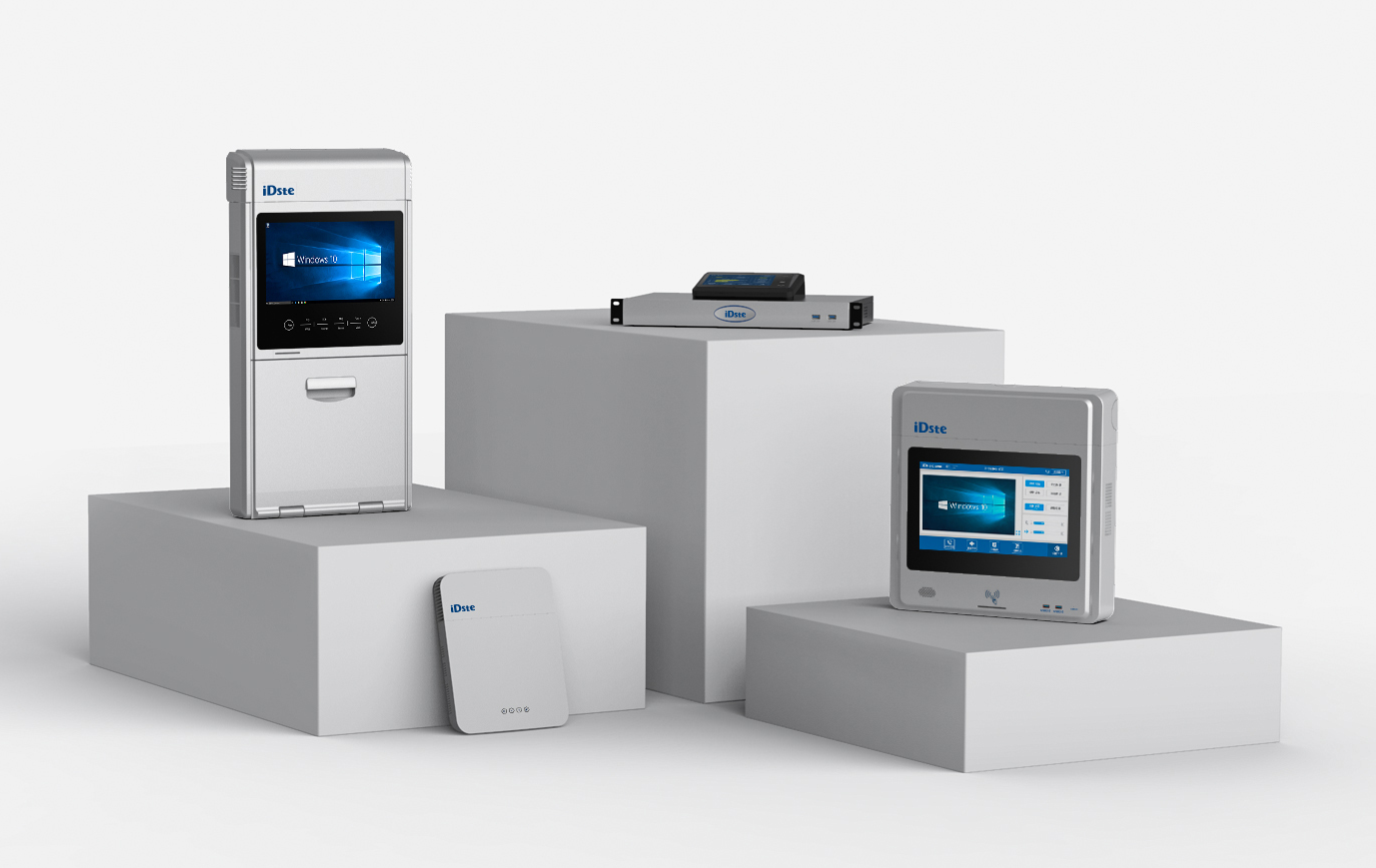
Imagine a world where your devices talk to each other, making your life easier without you lifting a finger. That’s the magic of smart integrated solutions. These systems combine cutting-edge technologies to help everything work together, from your thermostat adjusting itself to your preferences to your car navigating the fastest route home.
Their impact is huge, and the numbers prove it. The global smart devices market is set to hit $92.72 billion by 2025, while over a billion connected security cameras are expected worldwide by the end of 2023. These advancements rely on powerful technologies like IoT, AI, and automation, which are transforming how we live and interact with the world around us.
Key Takeaways
Smart solutions link devices and tech to work together easily.
Tools like IoT, AI, and cloud share data fast and automate tasks.
These systems save time, energy, and money by working smarter.
They are changing industries like healthcare, transport, and shopping by improving services.
Begin with one smart device, like a thermostat, to see the benefits before adding more.
What Are Smart Integrated Solutions?
Definition and Key Features
Smart integrated solutions are systems that bring together different technologies to work as one. Think of it as a team where every player has a role, but they all work toward the same goal. These systems connect devices, software, and data to create a seamless experience for you. For example, your smart home might link your lights, thermostat, and security cameras so they can adjust automatically based on your preferences.
What makes these solutions stand out? Here are some key features:
Interconnectivity: Devices and systems communicate with each other effortlessly.
Automation: Tasks happen on their own, like your coffee maker starting when your alarm goes off.
Real-time Data: They collect and analyze data instantly to make smarter decisions.
User-Centric Design: These systems are built to make your life easier, whether it’s saving time, energy, or money.
At the heart of smart integrated solutions are three main technologies: IoT, AI, and cloud computing. Let’s break them down:
Internet of Things (IoT): IoT connects everyday devices to the internet, allowing them to share data. For instance, your smart fridge can tell your phone when you’re out of milk. APIs act as digital bridges, enabling these devices to communicate quickly and accurately.
Artificial Intelligence (AI): AI helps systems learn and adapt. It powers features like voice assistants, predictive maintenance, and personalized recommendations. Studies show AI improves diagnostic accuracy in healthcare and enhances operational efficiency by 28.5%.
Cloud Computing: This technology stores and processes data online, making it accessible anytime, anywhere. It’s the backbone of real-time data analysis and optimization.
Other advancements, like programmable logic controllers (PLCs) and building information modeling (BIM), also play a role. Together, these technologies create systems that are smarter, faster, and more reliable.
Examples of Smart Integrated Systems
Smart integrated solutions are everywhere, even if you don’t realize it. Here are some real-world examples:
Application Area
Example Case Study
Healthcare
Systems like EMR and lab software work together to improve patient care.
E-commerce
Platforms integrate payment gateways and vendor tools for smooth shopping experiences.
Financial Management
Software integration prevents data errors and ensures accurate calculations.
Smart Cities
Cities use integrated systems to manage traffic, reduce energy use, and improve public safety.
Transportation
Ride-sharing apps combine GPS, payment systems, and user data to optimize routes and reduce wait times.
Smart integrated solutions are transforming industries by making systems more efficient and user-friendly. Whether it’s your home, workplace, or city, these technologies are shaping the future.
How Do Smart Integrated Solutions Work?
The Role of IoT in Connecting Devices
IoT, or the Internet of Things, is like the glue that holds smart integrated solutions together. It connects everyday devices to the internet, allowing them to share and receive data. Imagine your smart thermostat adjusting itself based on the weather forecast or your fridge reminding you to buy milk. That’s IoT in action!
The impact of IoT is massive. For example, real-time IoT monitoring has helped companies like Armal cut energy costs by 40%. Predictive maintenance, powered by IoT, reduces equipment breakdowns by 70% and lowers maintenance costs by 25%. These numbers show how IoT not only connects devices but also makes them smarter and more efficient.
Reduction of equipment breakdowns by 70% and decrease in maintenance costs by 25% (Deloitte)
Energy Savings
Reduction of energy costs by almost 40% through real-time IoT monitoring (Armal)
AI and Machine Learning in Smart Systems
AI and machine learning are the brains behind smart integrated solutions. They analyze data, learn from it, and make decisions to improve system performance. For instance, AI can optimize energy use by adjusting HVAC systems based on room occupancy. It can also predict equipment failures before they happen, saving you time and money.
AI doesn’t just stop there. It personalizes your experience by learning your preferences. Whether it’s adjusting the lighting in your home or recommending the fastest route to work, AI makes life more convenient. Studies show that AI-driven predictive maintenance can reduce downtime significantly, while data-driven decision-making helps facility managers stay ahead of potential issues.
Automation and Data Integration Processes
Automation takes the repetitive tasks off your plate, while data integration ensures everything works together seamlessly. In smart integrated solutions, these processes save time and improve accuracy. Companies report spending 70-85% less time on routine data tasks thanks to automation.
Data integration eliminates silos, giving you access to all the information you need in one place. This improves decision-making and boosts efficiency. Automated workflows also reduce data quality issues by 90%, while systems handle up to 10 times more data without increasing costs. With these tools, teams can focus on innovation instead of maintenance, driving progress in every industry.
Applications of Smart Integrated Solutions in Daily Life
Imagine walking into your home, and the lights automatically turn on, the temperature adjusts to your liking, and your favorite playlist starts playing. That’s the magic of smart homes powered by smart integrated solutions. These systems bring together devices like smart locks, cameras, and thermostats to create a seamless living experience.
Smart homes don’t just make life easier—they also make it safer. With smart security systems, you can monitor your home remotely, lock doors with a tap on your phone, and even get alerts if something unusual happens. For example:
Smart Security Systems: Cameras, alarms, and smart locks work together to protect your home.
Home Automation: Control lights, appliances, and temperature remotely for added convenience.
Monitoring Capabilities: Keep an eye on your home or check in on elderly family members from anywhere.
Did you know? Approximately 60% of homeowners say smart home technology gives them peace of mind by enhancing security and convenience.
Feature
Benefit
Impact on Comfort and Security
Smart Security Systems
Enhanced protection through cameras, smart locks, and alarms
Increases buyer confidence and perceived value
Home Automation
Remote control of lights, temperature, and appliances
Adds convenience and enhances daily living
Monitoring Capabilities
Remote monitoring of home and health of seniors
Provides peace of mind and assurance for families
Smart homes are more than just gadgets—they’re about creating a space that works for you, making your life both comfortable and secure.
Healthcare: Revolutionizing Patient Care
Healthcare has undergone a massive transformation thanks to smart integrated solutions. These systems connect devices, data, and healthcare providers to improve patient outcomes and streamline processes. For instance, IoT devices like wearable health monitors track your vitals in real time and send the data to your doctor. This means quicker responses and better care.
Hospitals are also leveraging these technologies to manage equipment and reduce costs. Did you know that 83% of U.S. hospitals use IoT devices for patient monitoring? Telemedicine, another game-changer, surged by 154% during the COVID-19 pandemic, allowing patients to consult doctors from the comfort of their homes.
Statistic
Description
83%
Percentage of U.S. hospitals using IoT devices for patient monitoring and equipment management.
97%
Adoption rate of Electronic Health Records (EHRs) among non-federal acute care hospitals in the U.S.
154%
Surge in telemedicine services in the U.S. during the COVID-19 pandemic.
$150 billion
Projected annual savings for the U.S. healthcare industry from AI applications by 2026.
With smart integrated solutions, healthcare isn’t just reactive—it’s proactive. Early disease detection, predictive analytics, and remote monitoring are saving lives and reducing costs.
These advancements mean you can enjoy better communication with your doctor, faster diagnoses, and even personalized treatment plans. The future of healthcare is here, and it’s smarter than ever.
Transportation: Smarter Mobility and Traffic Management
Getting stuck in traffic is frustrating, but smart integrated solutions are changing the way we move. These systems use real-time data to optimize routes, reduce congestion, and make transportation more efficient. For example, ride-sharing apps combine GPS, traffic updates, and user data to get you to your destination faster.
Cities are also adopting technologies like adaptive traffic signals, which adjust based on traffic flow. This reduces unnecessary waiting times and keeps traffic moving smoothly. Here are some other innovations making a difference:
Smart Streetlighting: Improves visibility and safety for pedestrians and drivers.
Accessible Pedestrian Signals (APS): Provides audio information and remote activation for people with disabilities.
Digital Mobility Integration: Connects buses, trains, and other transport modes into one network for easier travel.
Fun fact: Smart apps that deliver real-time traffic updates have significantly improved efficiency, saving commuters time and fuel.
These advancements don’t just make your commute easier—they also promote sustainability by encouraging the use of public transport and reducing emissions. With smart integrated solutions, the future of transportation is faster, safer, and greener.
Education: Personalized Learning and Administration
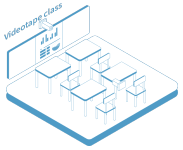
Education is evolving, and smart integrated solutions are leading the way. These systems are transforming classrooms by making learning more personalized and administration more efficient. Imagine a world where lessons adapt to your pace, teachers get real-time insights into your progress, and administrative tasks no longer eat up valuable teaching time. That’s the power of these technologies.
AI-powered tools are at the heart of this transformation. They track your learning patterns, provide instant feedback, and even gamify lessons to keep you engaged. For example, if you’re struggling with a math concept, the system can offer extra practice tailored to your needs. On the flip side, if you’re excelling, it can challenge you with advanced problems.
AI systems track student performance over time, providing insights into learning patterns.
Automated Feedback and Assessment
AI can instantly assess student work, providing immediate feedback for timely corrections.
Scalability
AI enables personalized learning for thousands of students simultaneously without overwhelming teachers.
Enhanced Student Engagement
AI tools incorporate gamified elements to make learning interactive and enjoyable.
Self-Paced Learning
Students can progress at their own pace, leading to deeper learning and improved retention.
Increased Access to Quality Education
AI-powered systems can reach underserved areas, bridging the educational divide.
Supporting Teachers
AI helps teachers by automating tasks, allowing more time for individualized instruction.
These advancements don’t just benefit students. Teachers also gain more time to focus on what matters most—teaching. By automating grading and administrative tasks, smart integrated solutions free up hours that can be spent on personalized instruction.
Fun fact: AI tools have made it possible for students in remote areas to access high-quality education, bridging gaps that once seemed insurmountable.
Retail: Streamlined Shopping Experiences
Shopping has never been easier, thanks to smart integrated solutions. These systems are revolutionizing retail by making your experience faster, more convenient, and highly personalized. Have you ever noticed how some stores seem to know exactly what you need? That’s not magic—it’s technology at work.
Retailers are using tools like smart shelves and mobile payment systems to enhance your shopping journey. Smart shelves, for instance, can track inventory in real time, ensuring products are always in stock. Walmart tested this technology in 70 Canadian stores, and the results were so impressive that they expanded it nationwide.
Walmart’s smart shelves improved inventory tracking and restocking efficiency, saving time and reducing errors.
Mobile point-of-sale (POS) systems are becoming increasingly popular, with the market projected to hit $5.58 trillion in transaction value by 2027.
The smart shelves market is expected to grow from $7.27 billion in 2023 to $38.12 billion by 2030, reflecting their rising adoption.
These technologies don’t just help retailers—they make your life easier too. Imagine walking into a store, scanning items with your phone, and checking out without waiting in line. That’s the future of shopping, and it’s already here.
Tip: Next time you shop, look out for these innovations. They’re designed to save you time and make your experience more enjoyable.
Energy Management: Optimizing Resource Usage
Energy management is another area where smart integrated solutions are making a big impact. These systems help you save energy, reduce costs, and live more sustainably. Whether it’s your home, office, or an entire city, these technologies optimize resource usage like never before.
For example, smart thermostats can learn your habits and adjust the temperature to save energy when you’re not home. On a larger scale, businesses use these systems to monitor energy consumption and identify inefficiencies. The results speak for themselves:
Metric
Improvement Range
Operational efficiency
10-20% reduction
Energy efficiency
5-15% reduction
Asset utilization
15-30% improvement
Customer engagement
2-8% peak demand reduction
These improvements don’t just cut costs—they also help the environment. By reducing energy waste, you’re contributing to a greener planet. Plus, with real-time data, you can make smarter decisions about how and when to use energy.
Did you know? Businesses that adopt smart energy management systems often see a return on investment within just a few years.
Smart integrated solutions are changing the way we think about energy. They’re not just about saving money—they’re about creating a sustainable future for everyone.
Benefits and Challenges of Smart Integrated Solutions
Key Benefits: Efficiency, Convenience, and Cost Savings
Smart integrated solutions bring a host of benefits that can make your life easier and your work more productive. One of the biggest advantages is efficiency. These systems streamline operations, reduce manual tasks, and optimize processes. For example, automated workflows can save time by handling repetitive tasks, allowing you to focus on more important things.
Convenience is another major perk. Imagine having personalized services at your fingertips, like a smart home that adjusts the lighting and temperature based on your preferences. These systems are designed to enhance your experience, whether at home, work, or even while shopping.
Cost savings also stand out. By improving decision-making through data-driven insights, you can cut energy costs and reduce waste. Businesses, too, benefit from lower operational costs and better resource allocation. Here’s a quick look at some key benefits:
Streamlines operations, reduces manual intervention, and optimizes production processes for cost savings.
Improved Decision-Making
Data-driven insights enhance productivity and strategic planning, reducing energy costs and emissions.
Increased Convenience
Provides personalized and automated services, enhancing user experience in smart homes.
Challenges: Privacy, Security, and Implementation Costs
While the benefits are impressive, smart integrated solutions come with challenges. Privacy and security are top concerns. With so much data being collected and shared, protecting sensitive information is critical. High-profile data breaches have shown how vulnerable systems can be without robust security measures. Encryption plays a key role here, but even that faces threats from emerging technologies like quantum computing.
Implementation costs can also be a hurdle. Setting up these systems often requires significant investment in hardware, software, and training. For small businesses or individuals, this can feel overwhelming. However, the long-term savings and efficiency gains often outweigh the initial costs.
Some industries face unique challenges. Healthcare organizations, for instance, must safeguard patient data to avoid serious consequences. Financial institutions need to protect customer information to prevent fraud and identity theft. These challenges highlight the importance of balancing innovation with security.
Addressing Common Concerns and Misconceptions
You might wonder if these systems are too complex or if they’ll replace human jobs. The truth is, smart integrated solutions are designed to work alongside people, not replace them. They handle repetitive tasks, freeing you up to focus on creative and strategic work.
Another common concern is whether these systems are worth the investment. While the upfront costs can be high, the long-term benefits—like reduced energy bills and improved productivity—make them a smart choice. Plus, as technology advances, these solutions are becoming more affordable and accessible.
Tip: Start small. You don’t need to overhaul everything at once. Begin with one system, like a smart thermostat, and expand as you see the benefits.
By addressing these concerns, you can make informed decisions about adopting smart integrated solutions and enjoy their transformative potential.
The future of smart integrated solutions looks brighter than ever, thanks to emerging technologies that are reshaping how systems work together. You’ll see a stronger connection between artificial intelligence (AI) and traditional statistical methods. This combination will make predictions more accurate and help systems learn faster. Deep learning and reinforcement learning are also stepping up, improving how patterns are recognized and decisions are made.
Another exciting trend is the rise of open-source platforms. These platforms encourage collaboration and innovation, making it easier for developers to create smarter systems. At the same time, data security and ethical considerations are becoming top priorities. Future systems will focus on protecting your privacy while ensuring ethical use of data.
Smart integrated solutions are set to grow rapidly across the globe. By 2024, the market is expected to reach $183.2 billion, with a projected annual growth rate of 8.5% from 2025 to 2034. The U.S. leads the way with an estimated value of $50.6 billion, while Europe and Asia Pacific are also seeing significant growth.
Region
Estimated Value (2024)
Projected CAGR (2025-2034)
Global
USD 183.2 billion
8.5%
U.S.
USD 50.6 billion
N/A
Europe
USD 38.1 billion
7.8%
Asia Pacific
N/A
9.9%
These numbers show that more industries and regions are embracing these technologies, making them a part of everyday life.
Potential Impact on Society and Industries
Smart integrated solutions will transform industries and improve lives. For example, 77% of companies are already exploring AI, and 83% consider it a top priority. These systems can boost productivity, enhance customer experiences, and even improve cybersecurity. In healthcare, AI could save up to $150 billion annually by 2026.
Industries benefiting the most:
Healthcare: Early disease detection and cost savings.
Banking: Improved fraud prevention and customer service.
Construction: Real-time data analysis for better productivity.
As these technologies grow, they’ll create a more connected, efficient, and secure world for everyone.
Smart integrated solutions are reshaping how you interact with technology, making life more efficient, connected, and convenient. From smarter homes to better healthcare, they’re transforming everyday experiences in ways you might not have imagined. Sure, there are challenges like privacy concerns and setup costs, but the benefits far outweigh them. These systems save time, reduce costs, and simplify your daily routine.
The future looks bright. As technology advances, you’ll see even more innovative solutions that improve your quality of life. So, get ready to embrace a smarter, more connected world—it’s just getting started!
Tip: Look for devices that are compatible with each other to build a connected ecosystem over time.
Click the button to contact us for more information